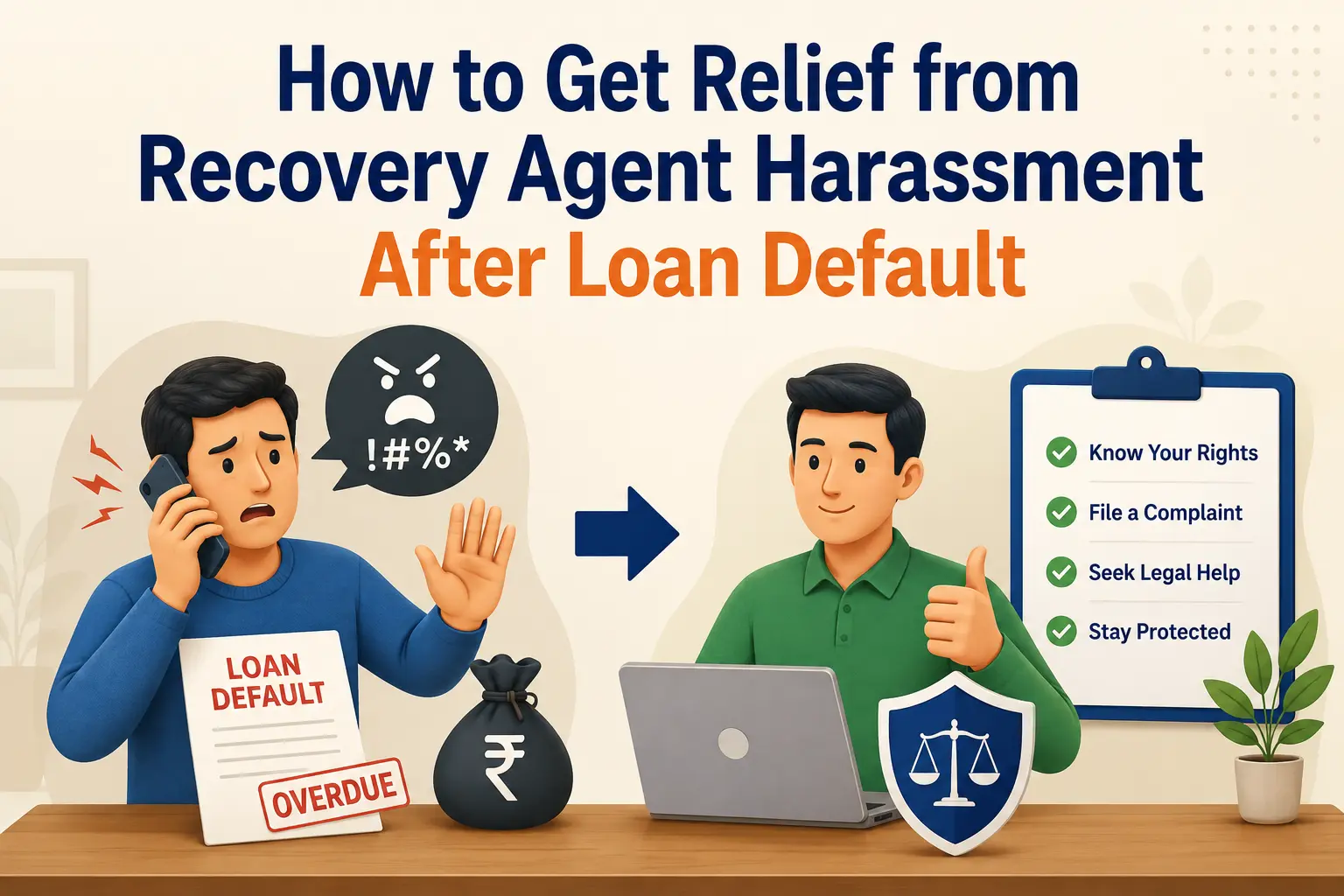
Loan default allows a lender to seek recovery through lawful means. It does not allow a recovery agent to harass a borrower with impunity. Banks and financial institutions regulated by the RBI are accountable for the actions of the recovery agents they hire. In fact, RBI guidelines expressly prohibit coercion, public humiliation, invasion of privacy, threatening calls and excessive recovery calls beyond specified hours.
The challenge for many borrowers is understanding where legitimate recovery ends and harassment begins. The bank is entitled to ask for its money. It can issue notices. It can initiate contractually agreed, or statutory recovery processes. Just because these actions cause inconvenience or stress does not automatically make them harassment.
Harassment of a borrower is where collection efforts become abusive, deceptive, humiliating or threatening to physical safety.
Advocate BK Singh recommends borrowers treat this as two separate matters. Repayment of the loan should be addressed separately. Illegal recovery tactics should be recorded and disputed through the appropriate complaint/legal process.
Why Recovery Harassment Matters Across India in 2026
Loan recovery problems no longer just affect secured loans disbursed at branches. Personal loans, credit cards, business loans, vehicle finance, and loans against apps have meant more borrowers are experiencing collections teams’ third-party tactics.
An employee borrower in Noida might get calls at the office. A businessman in Delhi might get harassed with onsite visits if he suffers business losses. Someone in Mumbai, Bengaluru, Hyderabad, etc. might realize that a digital lending collections agent called everyone saved in their phone book. People in Ghaziabad, Gurugram, Faridabad, Lucknow, Jaipur, Pune, Kolkata or any other city might have their family stressed out by similar issues.
Harassment during loan recovery is a problem borrower advocate BK Singh sees frequently. Borrowers often make a risky mistake: assuming that because an EMI is legitimately past due, they cannot question how they’re being recovered. That’s not true. The responsibility to pay back a debt and whether a collections agent is acting legally are two different matters.
Quick Facts
- They can’t harass you simply because the loan is past due.
- Calls to recover debts before 8.00 a.m. or after 7.00 p.m. are prohibited under RBI guidelines for the regulated entities to which those guidelines apply.
- In regard to activities it outsources, a bank or NBFC is still accountable for adhering to the applicable RBI guidelines.
- According to the RBI, embarrassing you publicly and invading the privacy of your family members, referees, or friends without a valid reason are both examples of unacceptable behavior.
- The underlying loan obligation is not automatically extinguished, settled, or suspended when you file a harassment complaint.
- Starting July 1, 2026, eligible complaints about the actions of regulated entities covered under must be filed with the Reserve Bank–Integrated Ombudsman Scheme, 20 26.
- Criminal prosecution or other action by the police may be necessary in cases involving egregious threats, use of physical force, false imprisonment, blackmail, or another crime.
Who Needs This Guidance?
This guide will be useful especially to those who are getting frequent calls from debt collectors after defaulting on a personal loan, credit-card bill, business-loan EMI, vehicle loan EMI, education loan EMI or missed payments towards a digital loan.
The guide could also benefit co-applicants and guarantors who are being harassed with collection calls, if your family is being contacted for someone else's debt, if you are an SME owner and collectors are visiting your office, or if you're a borrower who is getting threatened and receiving legal notice.
BK Singh recommends borrowers approach him at the outset if they're facing recovery calls and legal notices.
How Can You Respond to Recovery Agent Harassment?
Document the agent’s name, number, the name of the recovery agency and lender, date and approximate timing of the calls. Keep all WhatsApp chats, SMS forwards, emails, call details, notices and recordings that you have lawful access to.
Verify if the individual is genuinely sourced from the lender. Request for identity proof and speak directly to the lender on their official number instead of believing what the recovery agent tells you.
Detail the behaviour explicitly in a written complaint. Don’t make general allegations like “your agent is harassing me”. Note down dates and timings of calls, threatening statements made, visits to office, contacts to your family members or invasion of privacy.
As BK Singh suggests, mail the complaint to the bank/NBFC’s registered grievance-redress mechanism so there is an acknowledgement trail.
Documents and Evidence Checklist
Take copies of:
- Loan agreement, sanction letter & account no.
- Most recent statement of account and demand for overdue payment
- Identity information of the recovery-agent, if known
- Phone records displaying date and times called
- WhatsApp, SMS or social-media conversations
- Email correspondence from the recovery agents/lender
- Audio recordings or any other evidence that you have legally obtained
- Dates of visits to their office/home
- Family members, co-workers or third parties they have contacted
BK Singh, Advocate believes that contemporaneous evidence will be of more value than a complaint filed months later from memory. Retain originals of screenshots and full conversations. Don’t submit cropped conversations that take words out of context.
When Should You Consult a Lawyer?
Legal advice is particularly prudent if the recovery harassment involved threats to beat you up, tried to enter your home by force or threats, threatened to misuse police influence, serious threats to reputation, extortionate demand or privacy breaches on multiple occasions.
Legal help should also be sought if you have received a SARFAESI notice, notice of arbitration, summons from court, DRT proceeding, loan recovery against your vehicle or any other legal notice for debt recovery.
BK Singh will be able to assess if the matter requires a complaint to the lender, legal notice to the lender or collector, police complaint or a court related response or some other solution on the basis of the documents.
Remember that an IOD consultant is no substitute for an attorney if the matter involves legal proceedings or criminal complaints.
How Can Loan Settlement Agency Help?
Loan Settlement Agency offers unbiased assistance to borrowers faced with issues like default, settlement negotiations, recovery harassment and bank correspondence. Their website also features a bank and lender settlement list which includes various categories of lenders.
Services can range from analysis of your loan details, organizing proof against recovery, drafting recipient friendly correspondence, evaluating settlement offers and keeping good records.
If you need advice from a lawyer or need to have a lawyer involved, Advocate BK Singh can advise on the legalities of recovery practices, communications and actions. Loan Settlement Agency cannot dictate if a bank will accept a settlement offer, dismiss legal action or provide a waiver. Never be offered a guaranteed settlement or exact amount of concession.
Frequently Asked Questions
1. Are recovery agents allowed to threaten me after defaulting on a loan?
No. Although they can ask you to repay the loan, agents should not threaten, intimidate, abuse or humiliate you publicly.
2. When can recovery agents call me?
Typically, before 8.00 a.m. and after 7.00 p.m. are not considered acceptable hours to make recovery calls.
3. Are recovery agents allowed to contact my family members?
Contacting your family members to shame, threaten or otherwise pressure you into paying back your loan is not permitted.
4. Can I register a complaint with my bank regarding harassment by the recovery agent?
Yes. You can submit your complaint in writing to your bank or NBFC and obtain an acknowledgement of your complaint.
5. Can I go to the RBI Ombudsman?
Yes. You can approach the RBI Ombudsman, as per the applicable complaint mechanism and eligibility criteria, if you have first approached the regulated lender.
6. Will harassing phone calls wipe out my liability for the loan?
No. Your liability to pay back the loan is a separate issue from how the recovery agent conducts himself.
7. Are recovery agents allowed to visit my house/office?
Yes. A recovery agent can pay you a lawful visit, however, he or she cannot threaten you with violence, use force or humiliate you.
8. What evidence should I maintain?
Record of calls/messages/emails (if any), audio/video recordings (as lawfully accessible), notices served, names/c ID of agents visiting you and a copy of your complaint with the acknowledgement received.
9. Are recovery agents allowed to threaten me with arrest by police for failure to repay the loan?
No. Recovery agents should not threaten you with automatic arrest for non-payment of the loan.
10. When should I approach a lawyer?
If you face serious threats of harm to you or your family members, physical intimidation, receipt of SARFAESI notices, initiation of court proceedings or cases of persistent harassment then you should consider consulting a lawyer.
Conclusion
When collection agents call repeatedly during prohibited hours, harass you with threats, call family members to embarrass you or visit your job aggressively/extorted false identity, begin documenting and communicating in writing with the lender. Loan Settlement Agency can guide you through borrower-side documentation and settlement correspondence and Advocate BK Singh can advise you when the facts of your situation warrant a legal notice response or representation.